

The holidays are a busy time for Wisconsin consumers, and scammers are eager to take advantage of the hustle and bustle.
Scammers want to steal consumers’ money and personal information, and they know the best tricks to do it. It is important that consumers know how to identify and avoid common scams before a fraudster tries to ruin their holiday season, as prevention is the best protection from being scammed.
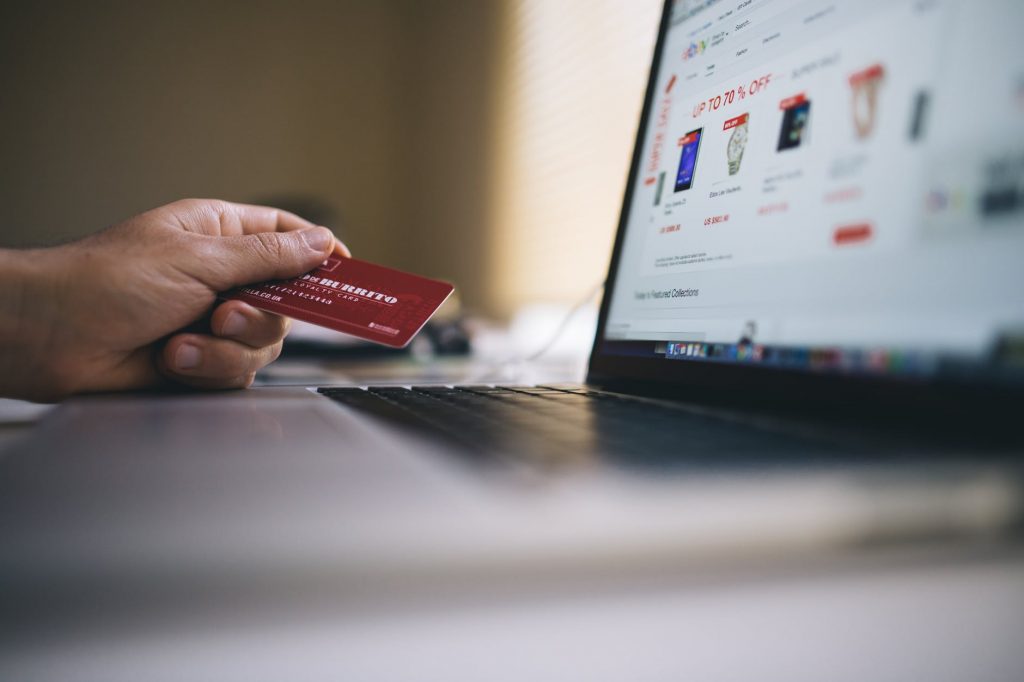
Online Marketplace Scams: If a consumer shops for holiday gifts through classified ads or an online peer-to-peer marketplace, they might find some great deals. However, they must also be careful of scams. Fraudsters list all sorts of items and services to lure in consumers and steal their money or private information. Consumers should practice caution when shopping for popular holiday gifts and deals like pets, pre-owned event tickets, and vacation rentals.
To avoid online marketplace scams, consumers should avoid paying up-front for anything sold through these platforms. Communications should stay on the app or website the listing is posted to and, if possible, consumers should meet with online sellers in-person before giving them money. Consumers should try to verify a seller is real before they buy from them, only buy expensive items (like event tickets) from official vendors with established policies for cancelations and refunds, and avoid renting lodging directly from a stranger on social media by instead booking through an official website or trusted app.
Phishing Messages: Consumers may receive texts, emails, or direct messages on social media platforms which seem to come from a well-known retailer or shipping company. The messages claim there is an issue with a purchase or return, and the consumer needs to verify their personal information in order for the product to be delivered or for the consumer to get their money back. These are phishing scams designed to trick consumers into giving their personal information to scammers.
If a consumer receives one of these messages, they should ignore it and delete it – even if the message seems to come from a familiar company. Consumers should avoid opening links and instead visit a company’s official website to check for notifications about a delayed delivery or problems with a return.
Non-Delivery Scams: When consumers make a purchase online, it usually comes with an expected shipping date. Some scammers sell items online but have no physical products to ship at all. They make money off consumers who forget about their purchase or who do not want to deal with the return process. If a consumer does ask for their money back, fraudulent sellers make excuses, tell them to keep waiting, or cut off communications. They sometimes create very restrictive return policies that are intended to discourage refunds.
To avoid non-delivery scams, consumers can shop with trustworthy online retailers that verify sellers and guarantee refunds in cases of non-delivery, independently research a seller and their products to check what others are saying about them online, and carefully read a seller’s return policy before making the purchase to determine whether they are worth doing business with.
Gift Card Scams: This payment method is popular during the holidays, but gift cards are for giving – not for making payments to unfamiliar people or organizations. Scammers often ask to be paid with gift cards because they are difficult to track or refund. To avoid gift card scams, consumers should never buy and send gift cards or gift card numbers to someone requesting them. Even if that person appears to be someone the consumer knows, they could secretly be an imposter scammer.
Gift cards are sometimes tampered with by thieves before being sold to consumers in stores. This results in the consumer buying a card but being unable to use it, since the thief already has the card numbers. If buying a gift card in-store, consumers should try to purchase a card that is fully enclosed in undamaged packaging, and inspect the card for fake barcode stickers before paying.


Scammers Want Your Identity for the Holidays
MADISON, Wis. – Identity thieves take full advantage of the holiday season by impersonating popular businesses and soliciting consumers’ personal information for dishonest reasons. To protect themselves from identity theft during this holiday season and year-round, consumers need to keep their data and personal information secure while they shop and celebrate.
Consumers might encounter requests for their personal information in many forms, including:
- Holiday giveaways and sweepstakes
- Discount and rebate promotions
- Surveys, which might offer prizes for participating
- Rewards programs
- Online quizzes and games
- Product warranty/registration cards
Some legitimate companies use these offers to attract customers and gather information for advertising purposes. Unfortunately, so do scammers. They create fake websites and send fraudulent marketing messages through texts, emails, social media, and online ads in hopes of gathering personal information. It can be difficult to tell the difference between an honest offer and a convincing scam.
Scammers come up with creative and hard-to-notice ways to acquire consumers’ information. If a consumer fills out a scam sweepstakes entry, unknowingly creates a fake account, or takes a fraudulent survey that collects their personally identifiable information, a scammer gains control of valuable private information such as the consumer’s name, address, date of birth, household income, contact details, password, or even answers to potential security questions (like the name of a consumer’s first school or favorite pet). Only a few pieces of personally identifiable information are needed for identity theft to occur.
Recovering from identity theft can take a long time and cost a lot of money, so the best protection is prevention. It is vital that consumers remain in control of their information and learn about the risks and contributing factors to identity theft. Consumers cannot control what happens to their personal information after they give it away, so they should practice caution when deciding whether to provide that information. Consumers should ask anyone who requests it why they need the information and what it will be used for, as well as if there are any alternative options that do not require the consumer to give out personal details. Providing personal data to legitimate organizations also carries some risk, as it is possible that data could later be exposed by a data breach. Personal information should be given out sparingly.
To protect against potential identity theft, consumers can place security freezes and fraud alerts on their credit for free by contacting the three major credit reporting agencies: Equifax, Experian, and TransUnion. Security freezes prevent new lines of credit from being opened in a consumer’s name, and remain in place until lifted by the consumer. Fraud alerts require that creditors take extra measures to verify a consumer’s identity before extending them credit.
For more information and consumer protection resources, or to file a complaint, visit DATCP’s Consumer Protection webpage at ConsumerProtection.wi.gov or contact the Consumer Protection Hotline at (800) 422-7128 or DATCPHotline@wisconsin.gov.